Understanding the Mechanics: How Your Garage Door System Works May 26, 2026
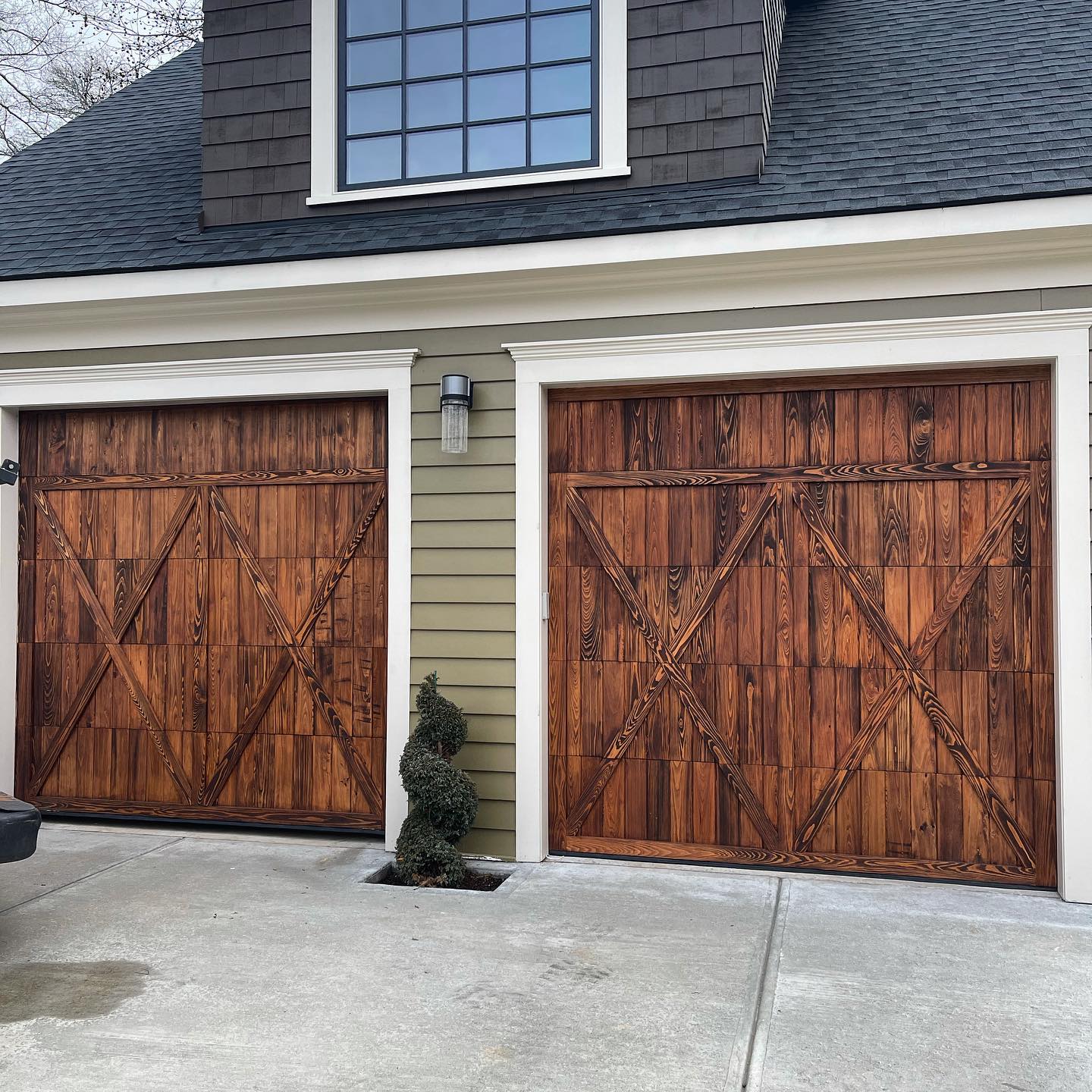
The heart of a garage door system is its door panels and opener. Most garage doors are made of metal, wood, or composite materials layered for strength and insulation. These panels are what you see every time you operate your garage door. Over time, panels may show signs of wear, which might indicate it's time for maintenance or replacement.
The garage door opener is an electromechanical device that works either through a remote control or an integrated switch. It's responsible for opening and closing the door. Openers are typically powered by either a belt, chain, or screw drive system. Each type has distinct benefits; for instance, belt drives are known for their quiet operation, while chain drives are often more durable and less expensive.
Equally crucial in a garage door system is the set of springs and cables that counterbalance the weight of the door, making it easier to lift. There are two types of springs in these systems: torsion springs and extension springs. Torsion springs are mounted horizontally above the garage door opening, while extension springs run parallel to the tracks. They absorb and release energy as the garage door opens and closes. It's essential to inspect these components regularly for signs of wear, as a broken spring can be dangerous and might require the expertise of a garage door technician for repairs.
The tracks guide the garage door as it opens and closes. These metal rails are situated on either side of the door, helping to keep it in alignment. Misaligned tracks can make it difficult or impossible to open your garage door. Regular maintenance, such as cleaning the tracks and ensuring they are free of obstructions, can prevent many common problems.
Safety sensors installed at the base of the door play a critical role in preventing accidents. These sensors use an infrared beam to detect objects or people in the door's path, automatically reversing the door if anything obstructs it. Testing your garage door’s sensors periodically by obstructing the path with an object can assure you of their functional condition.
A significant element of garage door usage efficiency is lubrication. Proper lubrication on moving parts like hinges, rollers, and springs can prolong the life of your garage door and reduce noise. A lubricant specifically designed for garage doors should be applied every few months or as required.
Understanding your garage door system's mechanics can save you time and money on repairs. However, when something does go wrong, it is often best to seek professional help. At Garage Door and Repair, our technicians are trained to handle all your garage door maintenance needs efficiently and safely.
By providing a basic understanding of how your garage door system works, you can take proactive steps in maintaining it, which can help you avoid costly repairs in the long run and ensure your home remains secure and functional. Remember, when in doubt, consulting with a professional Technician from Garage Door and Repair will ensure your garage system stays in top-notch condition.
/filters:no_upscale()/filters:format(webp)/media/5b990c57-3a34-4c66-828e-44cba83f551a.jpeg)